
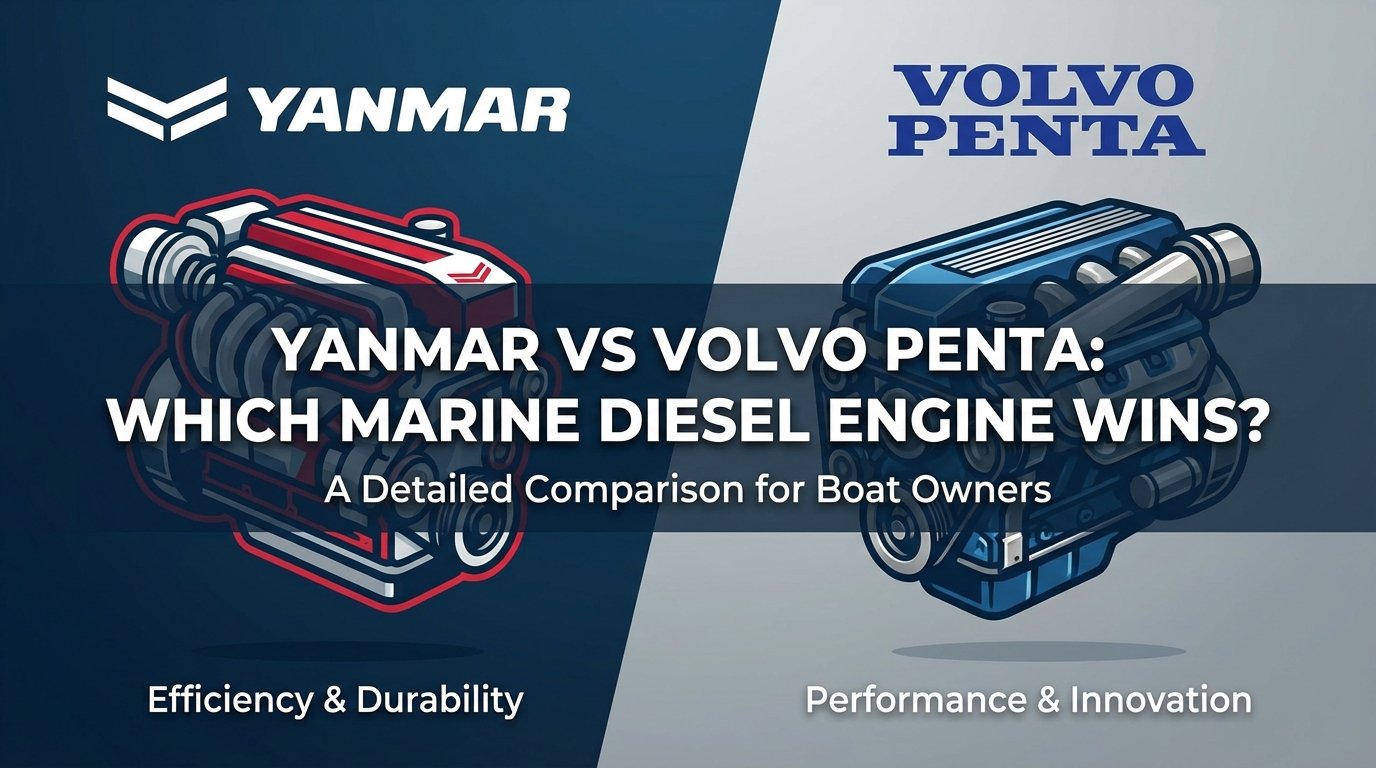
Selecting the right marine diesel engine represents one of the most significant decisions a boat owner will make, directly impacting reliability, performance, maintenance costs, and resale value. When comparing Yanmar and Volvo Penta—two powerhouses in the marine diesel market—the choice isn’t always straightforward. Both manufacturers have earned their reputations through decades of engineering excellence, but they serve the marine industry in distinctly different ways.
Understanding which engine suits your vessel requires looking beyond horsepower ratings and manufacturer claims. The best marine diesel engine for your yacht depends on factors including vessel size, operational profile, service availability, parts accessibility, and long-term maintenance considerations.
The Yanmar Advantage: Japanese Precision Meets Marine Engineering
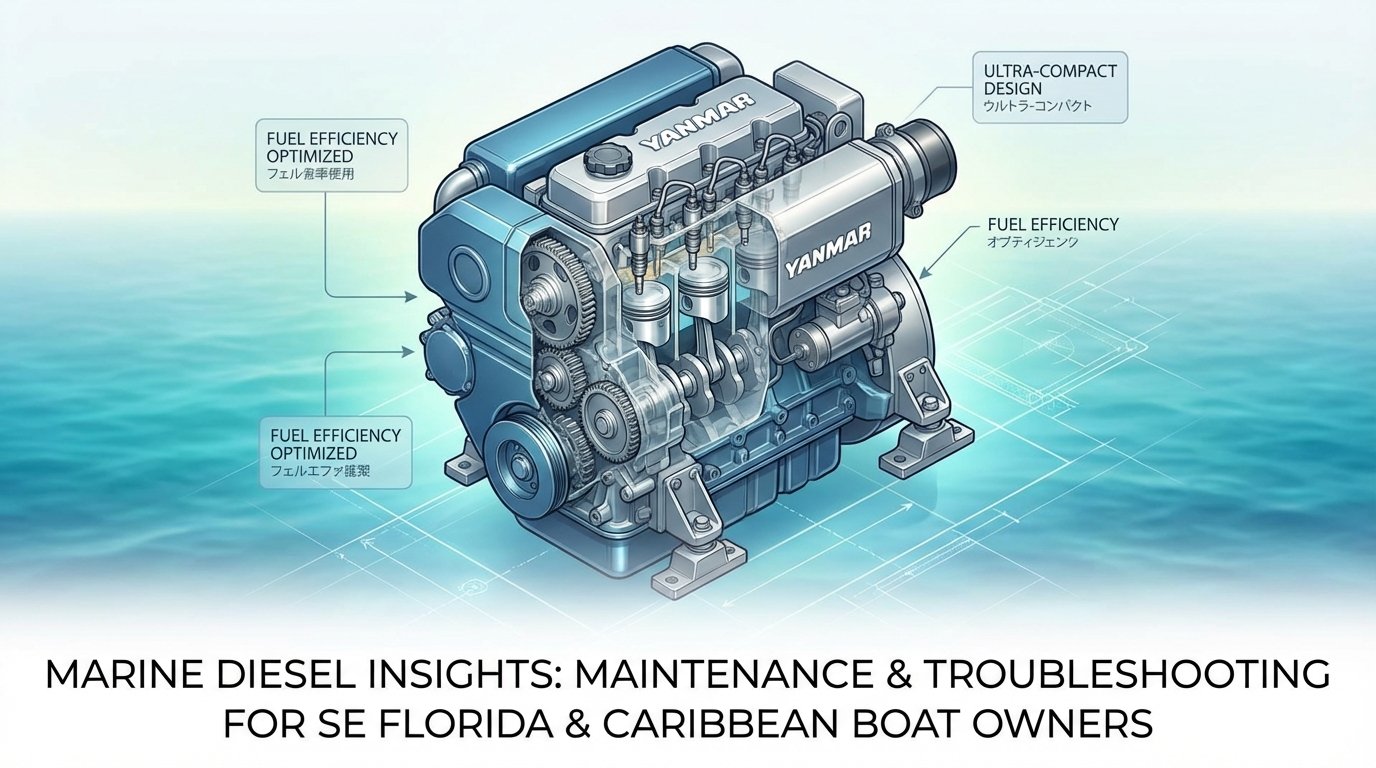
Yanmar has built its reputation on compact, fuel-efficient engines that deliver reliable power in challenging marine environments. Founded in 1912, the Japanese manufacturer has refined diesel technology through continuous innovation, creating engines particularly well-suited for mid-sized vessels where space comes at a premium.
Performance Characteristics
Yanmar marine diesel engines excel in several key areas that make them attractive to yacht owners. Their compact design allows installation in tighter engine rooms without sacrificing power output. The company’s focus on weight reduction creates better weight distribution on smaller vessels, improving handling characteristics.
Fuel efficiency stands out as a hallmark of Yanmar engineering. These engines typically consume less fuel at cruising speeds compared to competitors in similar horsepower ranges, translating to extended range and lower operational costs over the engine’s lifetime. For cruisers planning extended passages throughout the Caribbean or along the Southeast Florida coast, this efficiency advantage compounds significantly.
Common Yanmar Models and Applications
The Yanmar 4JH series remains popular among sailboat owners, offering reliable auxiliary power in the 40-75 horsepower range. For larger powerboats, the 6LY and 8LV series deliver higher output while maintaining the brand’s reputation for dependability. These engines power everything from sport fishers to express cruisers throughout South Florida marinas.
Yanmar Marine Diesel Engine Price List Considerations
Yanmar engines generally position themselves in the mid-to-upper price range, with initial purchase costs reflecting their engineering quality. A new Yanmar 4JH diesel engine typically ranges from $12,000 to $18,000 depending on horsepower and configuration, while larger 6LY models can exceed $35,000. However, evaluating price requires considering total cost of ownership, not just initial purchase price.
Parts pricing for Yanmar tends toward the premium end, particularly for genuine manufacturer components. Maintenance intervals are reasonable, though specialized Yanmar service knowledge is essential for proper care—generic diesel mechanics may miss model-specific maintenance requirements.
Volvo Penta: Swedish Engineering for Serious Mariners
Volvo Penta brings automotive engineering heritage to the marine market, creating engines that blend raw power with sophisticated technology. As part of the Volvo Group, the marine division benefits from extensive research and development resources, resulting in engines that incorporate advanced emissions control, electronic management, and integrated systems.
Power and Integration
Volvo Penta marine diesels are engineered as complete propulsion systems rather than standalone engines. The company’s approach integrates engine, transmission, controls, and monitoring into cohesive packages that simplify installation and operation. This systems approach provides particular advantages on larger yachts where multiple engine parameters require constant monitoring.
The D4 and D6 series represent Volvo Penta’s most popular offerings for recreational and light commercial vessels. These engines feature common-rail fuel injection, electronic vessel control (EVC) systems, and sophisticated diagnostics that allow technicians to quickly identify issues. For yacht owners who prioritize advanced technology and comprehensive monitoring, Volvo Penta delivers compelling advantages.
Service Network and Support
Volvo Penta maintains an extensive authorized service network, including factory-trained technicians throughout Southeast Florida and the Caribbean. This network provides critical advantages when issues arise far from home port. Authorized Volvo Penta service centers stock common parts and have direct access to technical support and diagnostic resources unavailable to independent mechanics.
The company’s commitment to backward compatibility means parts remain available for older engines, protecting the investment yacht owners make in their vessels. When proper Volvo Penta service is maintained according to factory schedules, these engines regularly exceed 5,000 hours before requiring major overhauls.
Reliability Comparison: Long-Term Performance
Both manufacturers produce engines capable of delivering thousands of hours of reliable service when properly maintained. However, their reliability profiles differ in meaningful ways.
Yanmar engines earn praise for mechanical simplicity and robust construction. Fewer electronic systems mean fewer potential failure points, an advantage appreciated by cruisers venturing to remote locations where sophisticated diagnostic equipment may be unavailable. The straightforward design allows skilled marine diesel technicians to diagnose and repair issues without manufacturer-specific diagnostic computers in many cases.
Volvo Penta’s more sophisticated electronic management requires specialized diagnostic equipment for troubleshooting, creating dependency on authorized service centers. However, this technology provides early warning of developing problems, often preventing catastrophic failures. The electronic vessel control system monitors dozens of parameters continuously, alerting operators to issues like cooling system problems, low oil pressure, or excessive exhaust temperatures before damage occurs.
Maintenance Requirements and Costs
Maintenance schedules and costs significantly impact total ownership expenses, making them critical comparison factors when choosing between marine diesel engine manufacturers.
Routine Maintenance
Yanmar recommends service intervals based on operating hours, with basic maintenance required every 50 hours and more comprehensive service at 250 and 500-hour intervals. Oil changes, fuel filter replacements, and coolant checks follow standard diesel maintenance protocols, though using Yanmar-specified fluids and filters ensures optimal performance.
Volvo Penta’s maintenance schedules similarly follow hour-based intervals, though their electronic systems provide automated reminders through display panels. The integrated approach means maintenance must address both mechanical and electronic components, typically requiring factory-authorized technicians familiar with the complete system.
Long-Term Service Costs
Professional maintenance from qualified technicians is essential for both brands. While some boat owners attempt DIY maintenance, improper service procedures can void warranties and lead to expensive failures. Factory-authorized service ensures technicians understand model-specific requirements and have access to technical bulletins addressing known issues.
Parts availability favors Volvo Penta in most locations, particularly throughout Florida and the Caribbean where their dealer network is extensive. Yanmar parts may require longer lead times in some locations, though reputable service providers maintain inventory of commonly needed components.
Which Engine Type Suits Your Vessel?
Determining the best marine diesel engine for your specific application requires honest assessment of your needs, operational profile, and support requirements.
Choose Yanmar When:
- Fuel efficiency and extended range are priorities for your cruising plans
- Engine room space is limited and compact installation is necessary
- You prefer mechanical simplicity over electronic complexity
- Your vessel operates primarily in areas where Yanmar service support is readily available
- Lower weight is beneficial for vessel performance and handling
Choose Volvo Penta When:
- Integrated systems and advanced electronics appeal to your operational style
- Comprehensive monitoring and diagnostics provide peace of mind
- Your cruising area includes the extensive Volvo Penta service network
- You value the convenience of coordinated engine and drive system support
- Raw power output is prioritized over maximum fuel efficiency
The Service and Support Equation
Engine selection cannot be separated from service considerations. The most reliable engine becomes a liability when proper service is unavailable or parts take weeks to arrive.
Southeast Florida boat owners benefit from strong support for both brands, with multiple authorized service centers providing factory-trained technicians. However, the quality and availability of service varies significantly between providers. Choosing a service partner with factory authorization, experienced technicians, and comprehensive parts inventory is as important as the engine selection itself.
Professional marine diesel service goes beyond basic mechanical work. Proper diagnostics require understanding manufacturer-specific systems, access to technical documentation, and relationships with factory support teams. When engine problems arise, authorized service providers can consult directly with engineering teams, access service bulletins, and obtain hard-to-find components through dedicated channels.
Making Your Decision
Neither Yanmar nor Volvo Penta can claim absolute superiority—both manufacture excellent marine diesel engines suited to different applications and owner preferences. The right choice depends on your specific vessel, how you use it, where you cruise, and which characteristics you prioritize.
Consider creating a decision matrix that weights factors according to your priorities. Assign values to fuel efficiency, initial cost, parts availability, service network, electronic features, weight, and other factors relevant to your situation. This systematic approach removes emotion from the decision and ensures you select based on practical considerations rather than brand loyalty or marketing claims.
Consulting with experienced marine diesel technicians who service both brands provides valuable real-world perspective. These professionals see the long-term reliability patterns, common failure modes, and maintenance realities that specification sheets never reveal.
Professional Service Makes the Difference
Regardless of which marine diesel engine manufacturer you choose, professional service from qualified technicians is essential for realizing the longevity and reliability these engines are designed to deliver. Proper maintenance according to factory schedules, using genuine parts, and addressing issues promptly prevents minor problems from becoming major failures.
Factory-authorized service centers offer advantages that extend beyond basic mechanical work. They receive ongoing training on new models, have access to proprietary diagnostic equipment, stock genuine replacement parts, and maintain direct relationships with manufacturer technical support teams. When complex issues arise, these connections prove invaluable.
For yacht owners throughout Southeast Florida and the Caribbean, establishing a relationship with a qualified marine diesel service provider before problems occur ensures help is available when needed. Whether you’re cruising the Bahamas, island hopping through the Caribbean, or exploring the Florida Keys, knowing expert service is just a call away provides irreplaceable peace of mind.
Choosing between Yanmar and Volvo Penta represents just the first step in ensuring reliable marine propulsion. The real key to long-term satisfaction lies in partnering with service professionals who understand your engine and prioritize keeping you on the water. Contact a factory-authorized marine diesel service provider today to discuss which engine best suits your vessel and how proper maintenance will protect your investment for years to come.
