
Selecting a marine diesel engine represents one of the most significant investments in your yacht’s lifecycle. Whether you’re repowering an aging vessel, replacing a catastrophically failed engine, or specifying equipment for a new build, the decision you make today will impact performance, reliability, fuel economy, and maintenance costs for decades to come. Unlike automotive purchases where trade-ins happen every few years, your marine diesel engine choice becomes a long-term relationship requiring careful consideration of multiple technical and practical factors.
The marine engine market in 2026 offers sophisticated powerplants from established manufacturers, each with distinct engineering philosophies, support networks, and performance characteristics. Understanding how to evaluate your options ensures you’ll choose an engine that matches your vessel’s requirements and your operational expectations.
Understanding Your Vessel’s Power Requirements
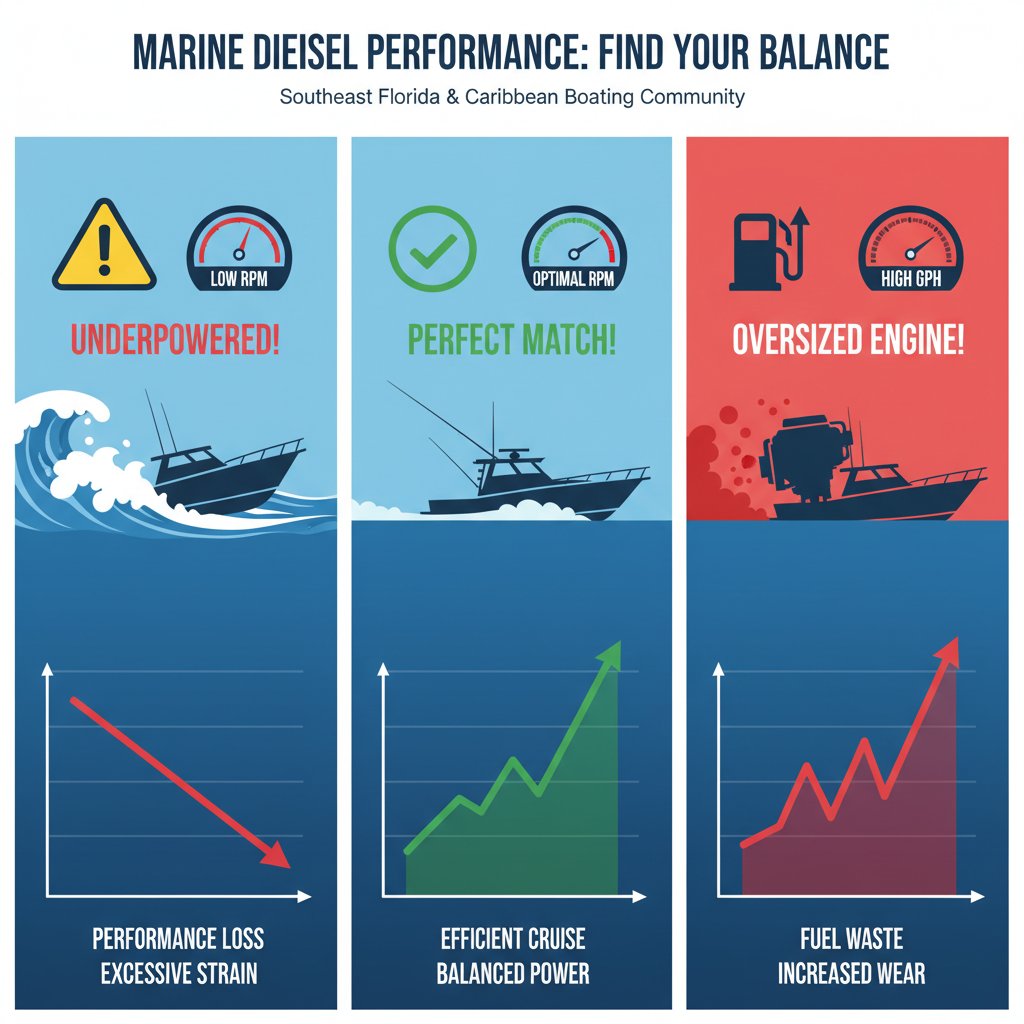
Before exploring marine engine sales catalogs or contacting dealers, you must accurately determine your power needs. Installing an undersized engine leaves you struggling in adverse conditions with inadequate reserve capacity. Conversely, significantly oversizing creates unnecessary fuel consumption, increased initial costs, and potential engine longevity issues from chronic light-load operation.
Start by consulting your yacht’s manufacturer specifications or naval architect. For repowering projects, the original engine’s horsepower provides a baseline, but consider whether that power level met your expectations. Yacht owners frequently discover their vessel was underpowered for their typical usage patterns—or that advancing engine technology now delivers equivalent power from more efficient, compact packages.
Hull design fundamentally determines power requirements. Displacement hulls have clearly defined hull speed limitations based on waterline length, making excessive horsepower pointless. Semi-displacement and planing hulls benefit from higher power-to-weight ratios, with horsepower directly correlating to achievable speeds. Weight is equally critical—a heavily built cruising yacht requires substantially more power than a lightweight express boat of similar length.
Calculate your yacht’s displacement when fully loaded with fuel, water, provisions, equipment, and typical passenger loads. This real-world weight, not the manufacturer’s published “dry weight,” determines actual power needs. Industry guidelines suggest approximately 3-5 horsepower per ton for displacement vessels, 8-12 HP per ton for semi-displacement hulls, and 15-25 HP per ton for planing hulls, though individual designs vary significantly.
Evaluating Marine Diesel Engine Manufacturers
The marine diesel market consolidates around several primary manufacturers with proven track records in recreational and commercial yacht applications. Each brand brings specific strengths worth considering.
MAN Marine Engines
MAN represents European engineering excellence with engines designed specifically for marine applications from the ground up. Their common-rail fuel injection technology delivers exceptional fuel economy and smooth power delivery. MAN engines excel in medium to large yacht applications where reliability and longevity justify premium initial investment. As a factory-authorized MAN marine engines dealer, we’ve observed these powerplants routinely exceed 10,000-hour service intervals with proper maintenance.
Volvo Penta
Volvo Penta engines for sale dominate the recreational marine market through their comprehensive product range, excellent dealer network, and integration-friendly designs. Their IPS pod drive systems revolutionized yacht handling, while traditional shaft-drive engines continue serving millions of vessels worldwide. Volvo Penta’s electronic engine management systems provide sophisticated diagnostics, making troubleshooting more efficient when service needs arise.
John Deere Marine
John Deere brings agricultural and industrial engine expertise to marine applications. Their PowerTech series offers robust construction, straightforward serviceability, and competitive pricing. These engines perform exceptionally well in commercial applications and expedition yachts where parts availability in remote locations and mechanical simplicity matter more than cutting-edge technology.
Cummins Marine
Cummins marine diesels deliver proven performance across an extensive horsepower range. Their QSB, QSC, and QSM series engines power everything from express cruisers to superyachts. Cummins’ global service network extends to virtually every cruising destination, providing peace of mind for long-range voyagers. The company’s continuous investment in emissions technology ensures their engines meet evolving environmental regulations without sacrificing reliability.
Critical Specification Considerations
Horsepower and Torque Curves
Peak horsepower specifications grab attention, but torque characteristics determine real-world performance. Marine diesels operate most efficiently at cruise RPM, typically 70-80% of rated maximum. Examine the engine’s torque curve to ensure strong output throughout the operating range. Engines with flat, broad torque curves provide better acceleration, easier handling in congested waters, and more pleasant operation than high-strung powerplants requiring constant RPM management.
Physical Dimensions and Weight
Marine diesel engines must physically fit your engine compartment with adequate clearance for service access, heat dissipation, and vibration isolation. Measure carefully, accounting for exhaust routing, cooling system components, and electrical connections. Weight distribution affects yacht trim and stability—replacing a lighter engine with a significantly heavier unit may require ballast adjustments or repositioning tanks to maintain proper balance.
Fuel Consumption and Efficiency
Fuel represents ongoing operational costs that accumulate substantially over engine lifespan. Modern common-rail diesel injection technology delivers remarkable efficiency improvements compared to older mechanical systems. Request specific fuel consumption data at your anticipated cruise RPM rather than focusing solely on wide-open-throttle specifications. A marine diesel engine for sale advertising impressive peak horsepower but poor mid-range efficiency costs significantly more to operate than a thoughtfully matched, efficient powerplant.
Emissions Compliance
Environmental regulations continue tightening globally. EPA Tier 3 and Tier 4 requirements, along with international emissions standards, affect engine selection particularly for newer vessels and commercial operations. While recreational vessels often receive exemptions, choosing compliant engines protects resale value and ensures operational flexibility if regulations change or you operate in jurisdictions with strict enforcement.
Transmission and Drive System Compatibility
Matching the engine to appropriate transmission gear ratios and propeller specifications optimizes performance and longevity. Marine transmissions absorb torsional vibration, provide reverse capability, and adjust engine RPM to efficient propeller speeds. The reduction ratio must allow the engine to reach rated RPM while turning a propeller with appropriate pitch and diameter for your hull.
Modern electronic controls enable sophisticated integration between engines and pod drives, surface drives, or traditional shaft systems. Verify that your chosen engine supports the control protocols your drive system requires. Mismatched electronic systems create installation complications and may prevent accessing full engine capabilities.
Service and Parts Availability
The finest marine diesel engine becomes a liability if parts aren’t available when needed or qualified technicians can’t service it. For yacht owners based in Southeast Florida and the Caribbean, selecting engines with strong regional dealer networks ensures responsive service. Factory-authorized service providers maintain direct manufacturer relationships, genuine parts inventory, and technicians trained on current engine technologies.
Consider your cruising plans when evaluating support networks. If you plan extended Bahamas voyages or Caribbean island-hopping, engine brands with established service infrastructure throughout these regions prevent minor issues from becoming voyage-ending failures. Conversely, if you rarely venture beyond South Florida waters, local service availability takes priority over global network strength.
Warranty Coverage and Factory Support
Comprehensive warranty coverage protects your investment during critical break-in periods. Standard warranties typically span 2-5 years depending on engine size and application. Examine warranty terms carefully—some cover only catastrophic failures while others include routine maintenance items. Extended warranty programs offer additional protection but require strict adherence to manufacturer-specified service intervals and authorized service providers.
Factory technical support accessibility matters when complex diagnostic situations arise. Manufacturers with responsive technical assistance teams, detailed service documentation, and regular technician training programs ensure higher-quality service outcomes. As a factory-authorized dealer for multiple premium brands, we maintain direct communication channels with engineering departments, accessing technical expertise beyond what generic marine service providers can offer.
Evaluating Total Cost of Ownership
Initial purchase price represents just one component of true ownership costs. Fuel consumption over thousands of operating hours, routine maintenance expenses, parts replacement intervals, and expected service life all factor into economic analysis. A marine diesel engine for sale at a lower initial price may cost substantially more over its operational lifetime than a premium engine with superior efficiency and longevity.
Calculate operating hours annually based on realistic usage patterns. Multiply by expected fuel consumption to project annual fuel costs. Add scheduled maintenance expenses for oil changes, filter replacements, cooling system service, and periodic major services. This comprehensive view reveals the true cost difference between engine options.
Yacht Engine Sales Florida: Regional Considerations
South Florida’s marine environment presents specific challenges affecting engine selection. Year-round operation in warm water temperatures, saltwater corrosion, high humidity, and frequent short-duration trips create demanding conditions. Prioritize engines with robust heat exchangers, superior corrosion-resistant materials, and proven performance in tropical marine environments.
Many yacht owners in this region cruise to the Bahamas and throughout the Caribbean, where engine reliability becomes critical. Remote anchorages lack convenient service facilities, making dependable powerplants and carrying appropriate spare parts essential. Selecting engines with established service networks throughout the Caribbean provides backup support when cruising beyond South Florida waters.
New vs. Remanufactured Engines
Budget constraints sometimes lead yacht owners to consider remanufactured engines. Quality remanufacturing restores engines to factory specifications with new wear components, updated technology, and warranties comparable to new units. However, scrutinize the remanufacturer’s reputation, warranty terms, and component replacement scope. Some “rebuilt” engines receive minimal attention beyond cleaning and reassembly, leading to premature failures.
For yacht owners planning extended ownership, new engines provide maximum reliability and longest service life. Modern efficiency improvements and reduced maintenance requirements often justify the additional investment through lower operating costs and superior performance.
Working with Professional Marine Engine Dealers
Selecting and installing marine diesel engines requires specialized expertise beyond typical marine mechanic capabilities. Factory-authorized dealers provide comprehensive support from initial specification review through installation completion and ongoing maintenance. Professional dealers assess your vessel’s specific requirements, recommend appropriate engine options, coordinate installation logistics, commission the complete system, and provide long-term service support.
Dockside service convenience eliminates the expense and disruption of hauling your yacht to a service facility for routine maintenance or repairs. Mobile technicians bring factory-level expertise directly to your vessel, conducting everything from routine services to complex diagnostic work while you remain in your slip.
Parts availability dramatically affects downtime during repairs. Established dealers maintain comprehensive parts inventory locally while offering worldwide shipping capability for components requiring special order. This infrastructure ensures minimal service interruption when maintenance or repairs become necessary.
Making Your Final Decision
Choosing the right marine diesel engine requires balancing multiple factors—power requirements, physical constraints, budget considerations, efficiency goals, and support infrastructure. Resist pressure to make hasty decisions on such significant investments. Request detailed specifications, compare fuel consumption data, review warranty terms, and consult with factory-authorized service providers who understand both the engines and your regional operating conditions.
Schedule consultations with experienced marine engine professionals who can assess your specific vessel and usage patterns. On-site evaluation often reveals considerations that generic recommendations miss, ensuring your selected engine truly matches your requirements.
When you’re ready to specify the ideal marine diesel engine for your yacht, Diesel Services of America provides factory-authorized expertise for MAN, Volvo Penta, John Deere, Cummins/Onan, Kohler, Northern Lights, and Westerbeke products. Our team serves Southeast Florida and Caribbean yacht owners with comprehensive marine engine sales, professional installation, dockside service, and worldwide parts shipping. Contact us to discuss your specific requirements and discover which marine diesel engine delivers optimal performance, reliability, and value for your vessel.
