
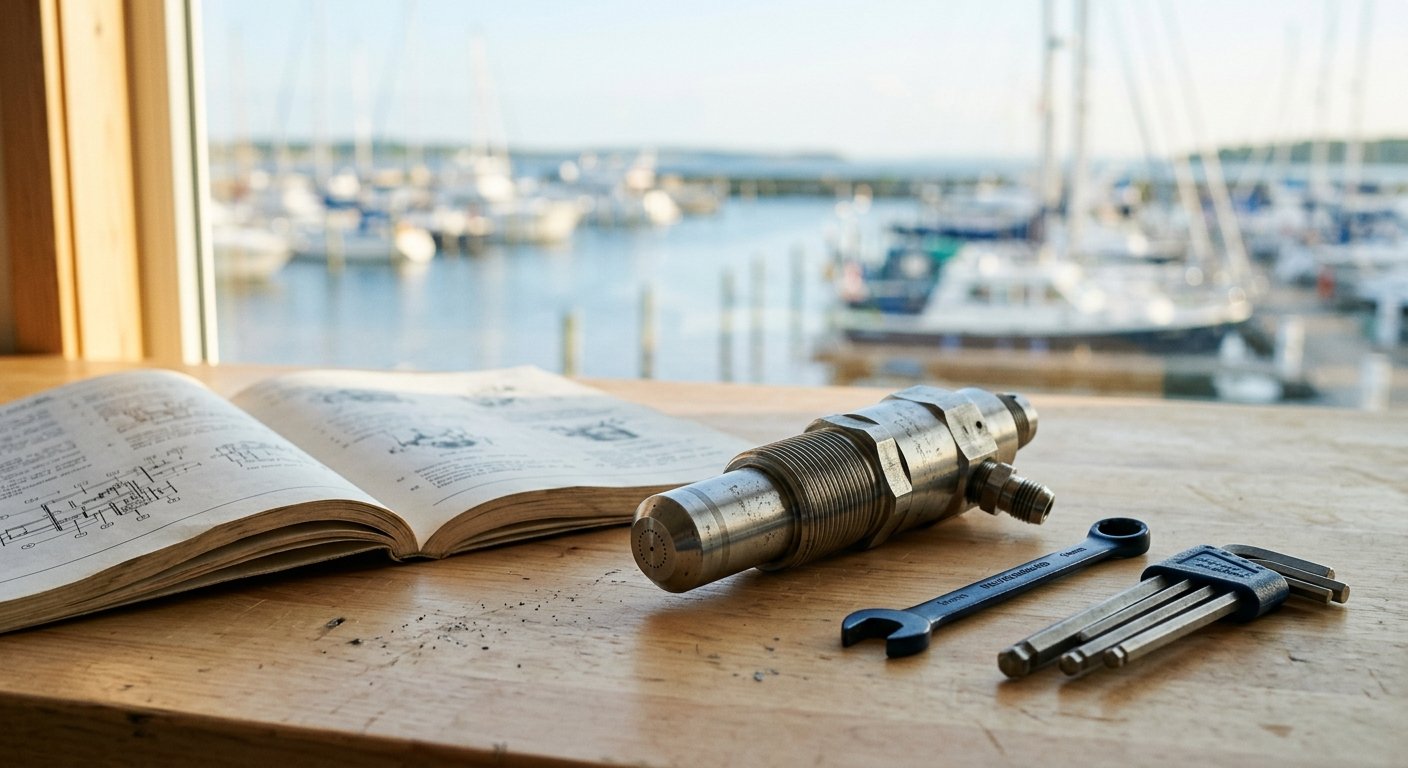
Fuel injectors are among the hardest-working components in any marine diesel engine — and among the most overlooked until something goes wrong. A single failing injector can cause rough running, excessive smoke, poor throttle response, and in serious cases, engine damage that sidelines your vessel for weeks. For yacht owners in Palm Beach County and Broward County, where boating season never truly ends, understanding injector health is foundational to reliable time on the water.
This guide covers how fuel injectors work, the warning signs of trouble, what professional service involves, and how factory-authorized care protects your investment across every brand DSOA services — from MAN and Volvo Penta to Cummins/Onan, Kohler, John Deere, Northern Lights, and Westerbeke.
How Marine Diesel Fuel Injectors Work
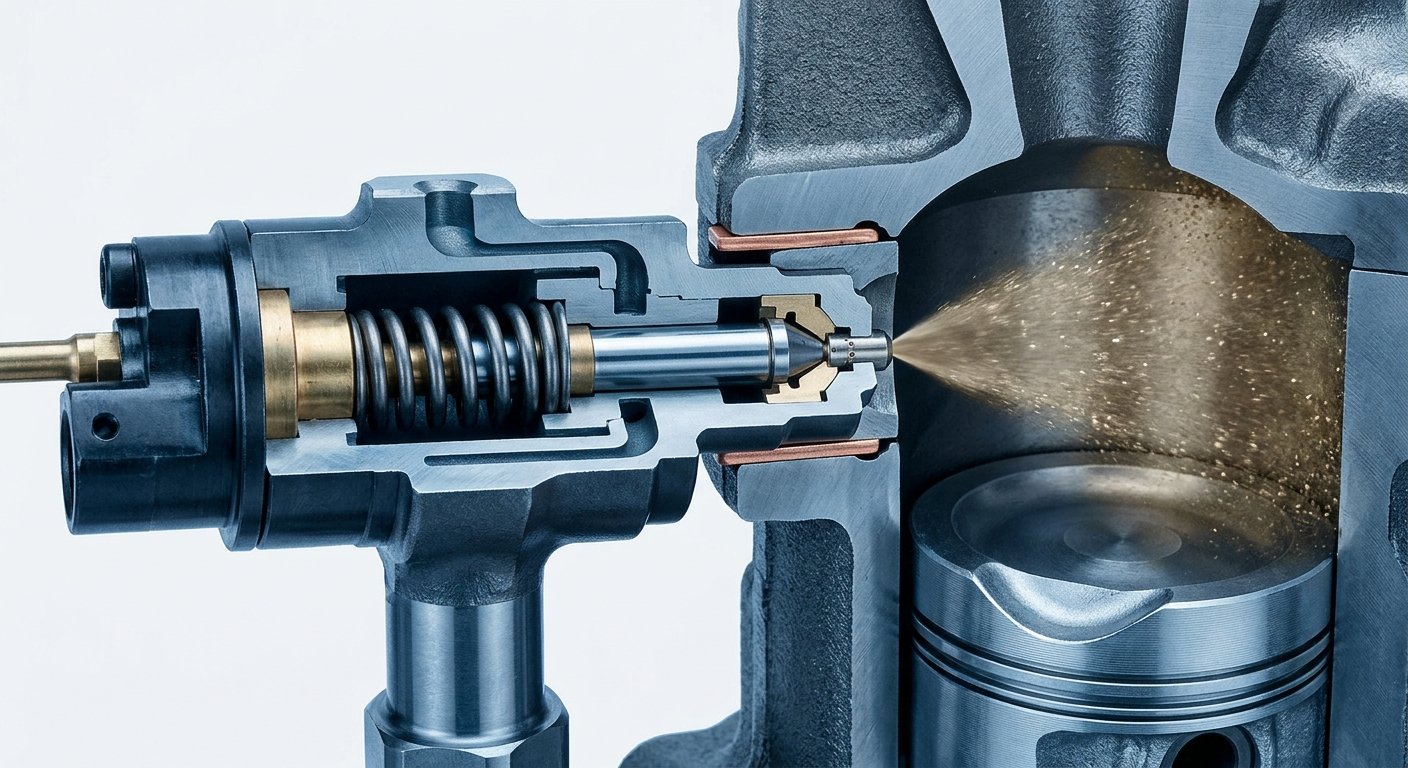
Unlike gasoline engines, diesel engines rely entirely on compression ignition — there’s no spark plug involved. Fuel injectors deliver a precisely metered, atomized spray of diesel fuel directly into the combustion chamber at exactly the right moment and pressure. That precision is everything. Even minor deviations in spray pattern, injection timing, or fuel quantity affect combustion efficiency, power output, and emissions.
Modern common-rail diesel systems, found in many MAN and Volvo Penta engines, operate at injection pressures exceeding 20,000 PSI. Mechanical injectors on older John Deere and Westerbeke engines operate at lower pressures but still demand tight tolerances. In both cases, contaminated fuel, extended service intervals, and saltwater environments accelerate wear and deposit buildup — making marine diesels particularly vulnerable compared to their automotive or industrial counterparts.
Warning Signs Your Injectors Need Attention
Catching injector problems early saves significant money and prevents cascading damage to turbochargers, pistons, and cylinder walls. These are the symptoms worth taking seriously:
Diesel Engine Smoking
Smoke color is one of the most diagnostic indicators available to an attentive captain. Black smoke typically signals over-fueling — often caused by an injector stuck open or delivering an incorrect spray pattern. White or gray smoke, especially at startup or under load, can indicate incomplete combustion from injectors that aren’t atomizing fuel properly. Blue smoke points toward oil burning, but a partially blocked injector that causes misfiring can trigger this as well by allowing unburned fuel to wash oil from cylinder walls.
When your diesel engine is smoking abnormally, it’s not just an emissions issue — it’s a sign the combustion process is compromised and your engine is working harder than it should.
Hard Starting or Boat Engine Not Starting
If your vessel is slow to fire up or won’t start at all, and the batteries and glow plugs check out, injector issues deserve serious consideration. Worn or clogged injectors that can’t generate sufficient spray pressure will prevent the fuel-air mixture from igniting reliably, particularly when the engine is cold. Owners sometimes assume a boat engine not starting is always an electrical issue, but in warm Southeast Florida conditions where moisture and fuel degradation are constant factors, injector-related starting failures are surprisingly common.
Rough Running and Vibration
A diesel running on all cylinders should produce a consistent, rhythmic sound under load. Excessive vibration, misfires, or an irregular exhaust note — particularly at idle or low RPM — often indicate one or more cylinders aren’t firing correctly. Cylinder balance testing, available through professional marine diesel troubleshooting, can isolate which injector is underperforming without unnecessary disassembly.
Fuel Consumption Increases
Injectors that are partially blocked or delivering inconsistent spray patterns force the engine to work harder to produce the same output. If your fuel burn has crept up noticeably without a change in operating conditions, it’s worth having injector performance evaluated as part of a broader marine diesel service inspection.
Common Causes of Injector Failure
Understanding why injectors fail helps owners make better decisions about fuel quality, service intervals, and storage practices. The primary culprits in the Southeast Florida and Caribbean operating environment include:
- Contaminated fuel: Water intrusion is the leading cause of premature injector wear in marine applications. Water doesn’t compress, and even small amounts cause erosion inside injector nozzles. The EPA’s diesel fuel standards set requirements for fuel quality at the pump, but fuel quality aboard vessels depends heavily on proper tank maintenance and filtration systems.
- Microbial growth: Warm, humid conditions in tropical and subtropical climates are ideal for diesel bug — the microbial contamination that forms a biomass in fuel tanks, producing acids and particulates that attack injector components.
- Extended service intervals: Injection systems have recommended service intervals for a reason. Overdue maintenance allows deposits to accumulate on nozzle tips, altering spray geometry and increasing the risk of injector seizure.
- Fuel injection repair deferred too long: When early symptoms are ignored, what could have been a nozzle cleaning or calibration becomes a complete injector replacement — a significantly higher cost.
What Professional Injector Service Involves
Factory-authorized fuel injection repair goes well beyond pulling injectors and spraying cleaner through them. At DSOA, professional injector service for MAN, Volvo Penta, Cummins, Kohler, Northern Lights, Westerbeke, and John Deere engines follows manufacturer-specified procedures that include:
- Removal and ultrasonic cleaning of injector nozzles to remove carbon and varnish deposits
- Flow bench testing to verify spray pattern, atomization quality, and opening pressure
- Calibration or adjustment to restore manufacturer specifications
- Replacement of worn nozzle tips, seals, and O-rings with OEM or factory-approved components
- Post-installation verification through cylinder balance and exhaust smoke analysis
This level of precision matters because each engine brand has specific injection pressure and timing requirements. A Volvo Penta common-rail system operates differently from a Westerbeke mechanical injection setup, and service procedures that are correct for one can cause damage if applied to another. This is precisely why factory-authorized service credentials matter — not as a marketing label, but as a guarantee that technicians are trained to manufacturer standards for your specific engine.
DSOA’s dockside service capability means injector diagnostics and service can often be performed where your vessel is berthed throughout Palm Beach County and Broward County, eliminating the need to haul out or arrange transport to a yard.
Preventive Care to Extend Injector Life
While no maintenance program eliminates every risk of injector failure, the right habits significantly extend service life and reduce repair costs over time:
- Maintain clean, dry fuel: Inspect and service fuel filters on schedule. Consider installing a quality primary fuel filter with a water separator if your vessel doesn’t already have one appropriate to your engine’s fuel flow requirements.
- Use fuel biocide in warm climates: Routine treatment controls microbial growth that thrives in Southeast Florida’s temperatures year-round. Follow your engine manufacturer’s guidance on compatible products.
- Avoid prolonged idling: Extended low-load operation promotes carbon deposit buildup on injector tips. Where possible, operate engines at recommended load ranges.
- Follow manufacturer service intervals: The National Marine Manufacturers Association consistently emphasizes that deferred maintenance is the primary driver of major marine engine failures. Injector service intervals vary by brand and engine generation — DSOA technicians can advise on the correct schedule for your specific powerplant.
- Address early symptoms promptly: Black smoke, increased fuel consumption, or rough running should trigger a marine diesel troubleshooting inspection, not a “watch and wait” approach.
Parts Availability for Southeast Florida and Caribbean Vessels
One of the practical realities of yacht ownership — particularly for vessels operating between Southeast Florida and the Caribbean — is that injector components need to be sourced quickly when repairs are needed. DSOA maintains an extensive OEM and factory-approved parts inventory for all authorized brands, with worldwide parts shipping capability for vessels away from home port. Whether your MAN engine needs replacement nozzle assemblies or your Kohler generator requires injector seals mid-trip, authorized-source components ensure compatibility and protect warranty coverage where applicable.
For more on DSOA’s full repair capabilities, visit the diesel marine engine repair overview.
Frequently Asked Questions
How often should marine diesel injectors be serviced?
Service intervals vary by engine manufacturer, operating hours, and fuel quality. Many marine diesel engines call for injector inspection and cleaning every 1,000 to 1,500 hours of operation, though some modern common-rail systems have extended intervals. Your engine’s service manual and your factory-authorized technician are the best sources for interval guidance specific to your powerplant.
Can bad injectors damage other engine components?
Yes. A failing injector that delivers excess fuel can cause hydraulic lock — a sudden and catastrophic failure where liquid fuel accumulates in a cylinder and prevents the piston from moving. More commonly, poor atomization causes incomplete combustion, which increases cylinder temperatures, accelerates piston and ring wear, and can contaminate engine oil. Turbochargers are also vulnerable to damage from the unbalanced exhaust flow that comes with cylinder-specific misfires.
What’s the difference between injector cleaning and injector replacement?
Cleaning — typically ultrasonic cleaning followed by flow bench testing and calibration — restores injectors that have deposit buildup but structurally sound internals. Replacement is necessary when the nozzle tip is eroded, the injector body is damaged, or calibration can no longer be achieved within factory tolerances. A professional inspection determines which approach is appropriate for each injector.
Is diesel engine smoking always an injector problem?
Not always. Black smoke can also result from restricted air intake, turbocharger issues, or a malfunctioning fuel pump. White smoke may indicate coolant intrusion from a failing head gasket. A thorough marine diesel troubleshooting process evaluates the full combustion system before concluding injectors are the cause — which is one reason professional diagnostics add value over part-swapping based on symptoms alone.
Does DSOA service generators as well as propulsion engines?
Yes. DSOA provides factory-authorized service for marine generators including Cummins/Onan, Kohler, Northern Lights, and Westerbeke units. Generator injector issues present similarly to propulsion engine problems — rough running, smoking, and starting difficulty — and are addressed using the same manufacturer-specified service procedures.
Keep Your Injectors — and Your Season — On Track
Fuel injectors are precision instruments operating under extraordinary pressure and heat, often in the demanding conditions of tropical saltwater boating. Respecting that reality through timely professional service is one of the most cost-effective decisions an owner can make.
DSOA’s factory-authorized technicians serve yacht and vessel owners throughout Palm Beach County and Broward County, with dockside service availability and worldwide parts shipping for vessels in the Caribbean. Whether you’re dealing with a diesel engine smoking issue, a boat engine not starting, or simply due for scheduled injector maintenance, contact DSOA to schedule a professional assessment.
