
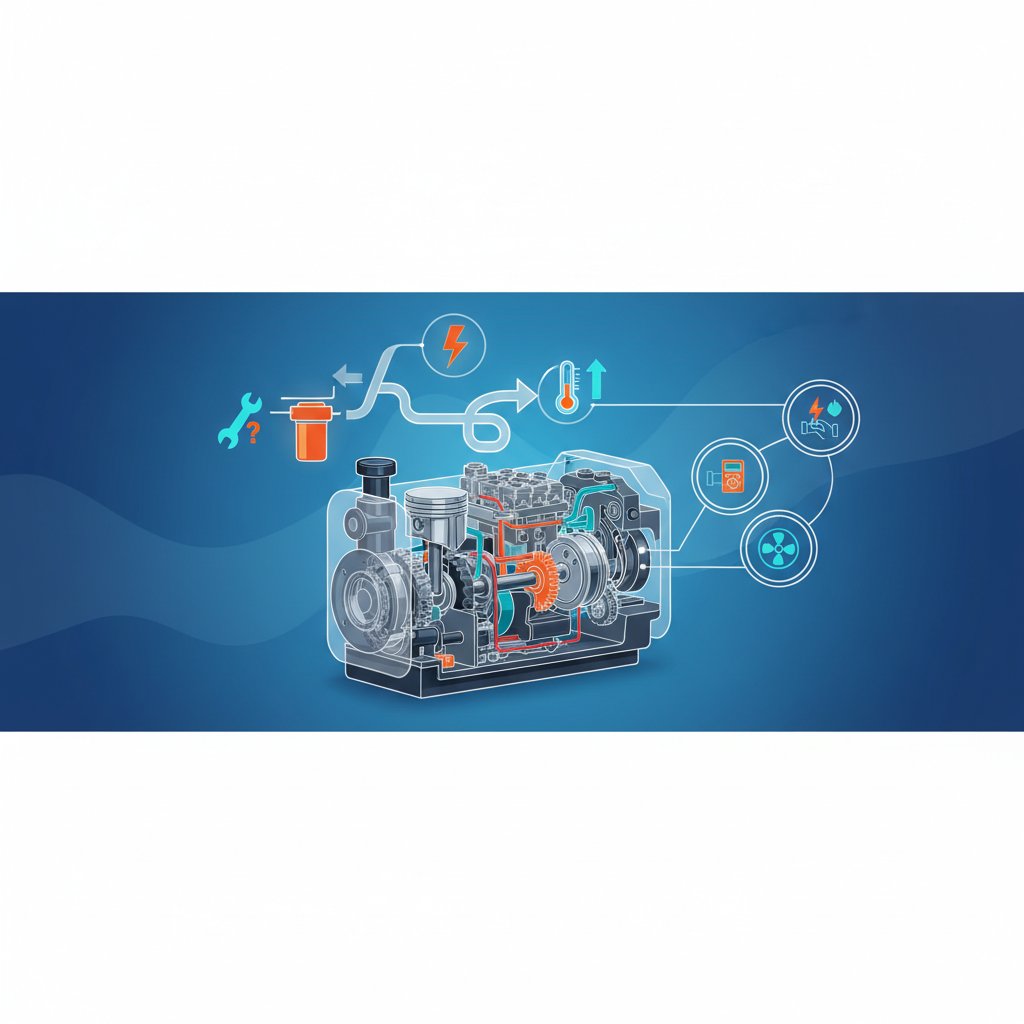
When the lights go out on your yacht, you quickly realize how essential a reliable marine generator is to your vessel’s operation. Marine diesel generators power everything from air conditioning and refrigeration to navigation equipment and entertainment systems. A failure at sea or even at the dock can transform a luxurious cruising experience into an uncomfortable ordeal. Understanding common generator problems and their solutions helps yacht owners maintain reliable power systems and avoid costly downtime.
Understanding Marine Generator Systems
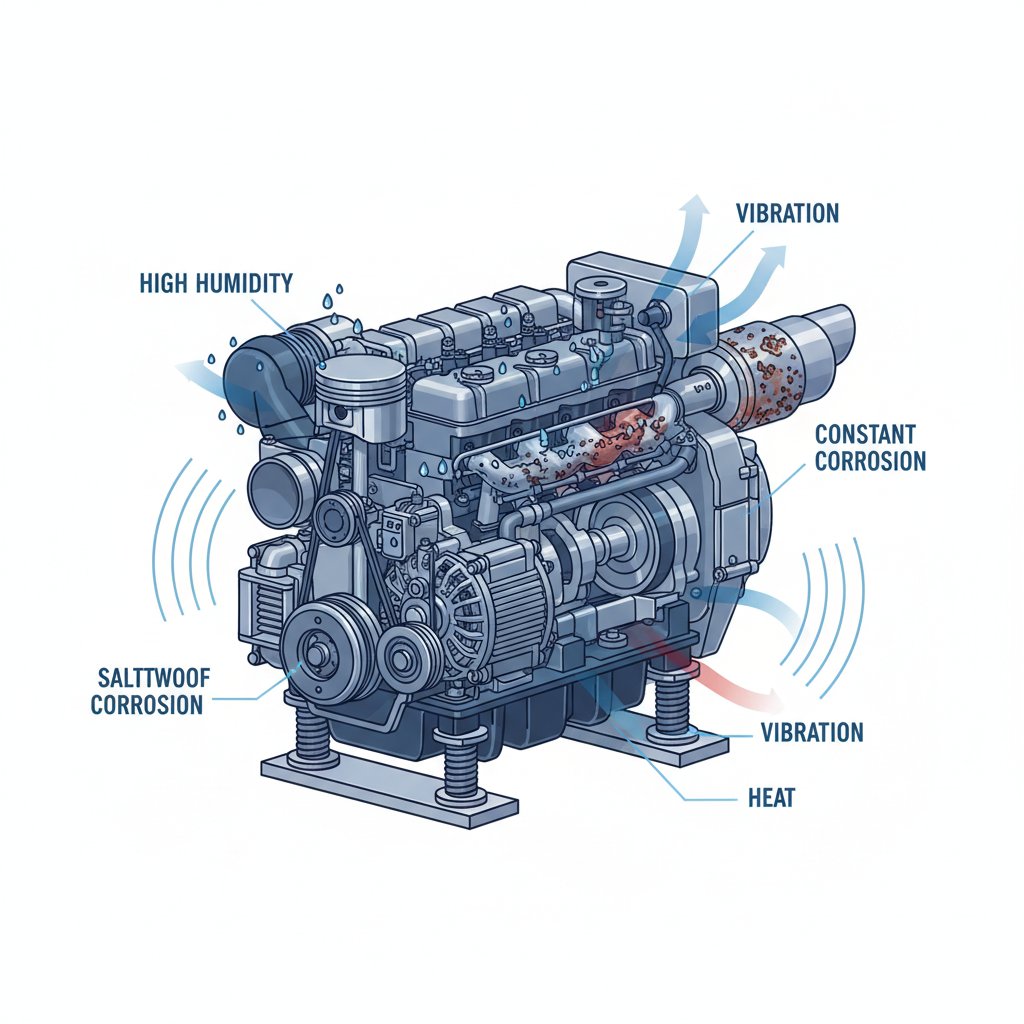
Marine diesel generators operate in one of the harshest environments imaginable. Unlike their land-based counterparts, these units endure constant vibration, temperature fluctuations, saltwater exposure, and humidity while being expected to perform flawlessly. The generators installed on modern yachts typically come from trusted manufacturers including Onan, Kohler, Northern Lights, and Westerbeke, each designed specifically to withstand marine conditions.
These systems consist of several critical components: the diesel engine itself, the alternator that produces electrical power, a cooling system, fuel delivery system, exhaust system, and control panel. When troubleshooting yacht generator problems, identifying which component is malfunctioning streamlines the repair process and minimizes downtime.
Starting Problems and Solutions
Generator starting issues represent the most common complaint among boat owners. When you press the start button and nothing happens, several culprits could be responsible.
Dead or Weak Batteries
Marine generators require substantial cranking power. Even if your house batteries appear healthy, dedicated generator starting batteries can lose charge, especially when vessels sit unused for extended periods. Corroded terminals reduce electrical flow, creating the same symptoms as a depleted battery. Before assuming more serious problems, verify battery voltage with a multimeter. Readings below 12.4 volts indicate insufficient charge for reliable starting.
Fuel Delivery Failures
Diesel fuel systems depend on proper flow from tank to engine. Air in fuel lines prevents generators from starting or causes them to run roughly before shutting down. This commonly occurs after running tanks low or following fuel filter changes. Marine diesel service technicians use specific bleeding procedures to purge air from the system, restoring normal operation.
Clogged fuel filters restrict flow, starving the engine of diesel. The marine environment accelerates fuel contamination through condensation, algae growth, and sediment accumulation. Regular filter replacement every 200-400 hours prevents this issue, but neglected systems often require complete fuel polishing to remove contaminants.
Control Panel Malfunctions
Modern generators feature sophisticated control systems monitoring dozens of parameters. A faulty sensor sending incorrect data can prevent starting even when the generator is mechanically sound. Error codes displayed on control panels provide valuable diagnostic information, though interpreting them often requires factory-authorized training and technical documentation.
Overheating Issues in Marine Generators
High operating temperatures trigger automatic shutdowns designed to protect generators from catastrophic damage. Identifying the root cause requires systematic inspection of the cooling system.
Raw Water Flow Problems
Most yacht generators use raw water cooling, drawing seawater through the hull to absorb engine heat. Clogged raw water strainers represent the easiest problem to address—regular cleaning prevents blockages from marine growth, plastic bags, and debris. The impeller inside the raw water pump requires periodic replacement, as the rubber vanes deteriorate with use. A damaged impeller dramatically reduces water flow, causing rapid overheating.
Scaling and marine growth accumulate inside heat exchangers over time, reducing cooling efficiency. Southeast Florida and Caribbean waters, with their warm temperatures and biological activity, accelerate this process. Professional descaling services restore heat exchanger performance without requiring complete replacement.
Coolant System Concerns
The closed cooling circuit containing antifreeze mixture requires maintenance just like automotive systems. Low coolant levels indicate leaks that must be addressed promptly. Deteriorated hoses, failing gaskets, or corroded heat exchangers allow coolant to escape. The antifreeze itself breaks down over time, losing its protective properties and requiring periodic replacement according to manufacturer specifications.
Electrical Output Problems
Generators that start and run but fail to produce proper electrical power frustrate owners who need reliable AC current for vessel systems.
AVR and Voltage Regulator Issues
The Automatic Voltage Regulator controls generator output, maintaining steady voltage despite varying loads. AVR failures cause fluctuating voltage, low output, or complete absence of electrical production. These electronic components are sensitive to moisture and heat, making them vulnerable in marine environments. Replacement requires proper calibration to ensure correct voltage and frequency output.
Brushes and Slip Rings
Generators using brush-type alternators require periodic brush inspection and replacement. Worn brushes reduce electrical contact, diminishing output. Carbon dust from brush wear accumulates on slip rings, requiring cleaning during maintenance intervals. Brushless alternator designs eliminate this maintenance requirement, though they introduce different potential failure points in their electronic excitation systems.
Circuit Breaker and Wiring Concerns
Tripped breakers often indicate overloading or short circuits in vessel electrical systems rather than generator problems. However, corroded connections, damaged wiring, and failing breakers within the generator itself can prevent power delivery. The marine environment’s corrosive nature attacks electrical connections relentlessly, making regular inspection essential.
Exhaust System Complications
Proper exhaust routing removes combustion gases safely from the vessel. Water-cooled exhaust systems mix raw water with hot exhaust gases, cooling them before discharge. Restrictions in the exhaust system create backpressure, reducing performance and potentially causing dangerous carbon monoxide accumulation.
Exhaust elbow failures occur when the metal component corrodes from constant exposure to hot saltwater. A failing elbow allows water into the exhaust manifold and potentially into the engine cylinders, causing severe damage. Regular inspection and replacement before failure prevents costly repairs.
Vibration and Noise Abnormalities
Unusual vibration or noise signals mechanical problems requiring immediate attention. Loose mounting bolts allow excessive generator movement, accelerating wear on connected systems. Engine misfires from fuel delivery problems or failing injectors create irregular running. Bearing failures produce grinding sounds that worsen progressively until catastrophic failure occurs.
Addressing abnormal sounds promptly prevents minor issues from escalating into major repairs. Experienced technicians recognize subtle changes in generator operation that owners might overlook, making regular professional inspections valuable for early problem detection.
Preventive Maintenance: Your Best Defense
Systematic maintenance prevents the majority of boat generator repair emergencies. A comprehensive program includes:
- Oil and filter changes every 100-150 hours or annually
- Fuel filter replacement at recommended intervals
- Coolant system inspection and fluid replacement every two years
- Raw water impeller replacement annually or every 500 hours
- Air filter cleaning or replacement based on operating environment
- Zinc anode replacement to prevent corrosion
- Belt tension inspection and adjustment
- Exhaust system examination for corrosion and leaks
- Control system software updates when available
Load bank testing verifies that generators perform correctly under actual operating conditions. This testing identifies problems before they cause failures during critical situations.
The Value of Factory-Authorized Service
Marine generator maintenance and troubleshooting require specialized knowledge that distinguishes factory-authorized technicians from general mechanics. Manufacturers like Onan, Kohler, Northern Lights, and Westerbeke provide extensive training covering their specific systems, diagnostic procedures, and calibration requirements.
Factory-trained technicians access technical bulletins addressing known issues, use manufacturer-approved parts ensuring proper fit and performance, and possess diagnostic tools designed for specific generator models. This expertise translates to faster, more accurate troubleshooting and repairs that address root causes rather than symptoms.
Using genuine manufacturer parts maintains warranty coverage and ensures reliability. Aftermarket components might offer cost savings initially, but frequently fail prematurely or create new problems requiring additional repairs.
When to Call Professional Technicians
While boat owners can handle basic maintenance like filter changes and visual inspections, many diesel generator troubleshooting scenarios require professional expertise. Complex fuel system repairs, electrical diagnostics, control system programming, and internal engine work exceed the capabilities and tools available to most owners.
Attempting repairs without proper knowledge risks creating additional damage. Incorrect fuel system bleeding can damage injection pumps. Improper electrical work creates fire hazards. Engine disassembly without proper procedures leads to expensive mistakes.
Professional marine diesel service provides peace of mind that repairs are completed correctly the first time. Dockside service eliminates the need to transport your vessel, allowing technicians to work at your location throughout Southeast Florida and the Caribbean.
Parts Availability and Planning
Generator failures often occur at inconvenient times, making parts availability critical. Establishing relationships with suppliers who maintain comprehensive inventories and offer worldwide shipping ensures minimal downtime when repairs are needed.
Carrying essential spare parts aboard during extended cruises provides insurance against common failures. Recommended spares include impellers, fuel filters, oil filters, belts, and basic gaskets. For vessels cruising remote areas, expanding the spares inventory to include items like injectors, sensors, and control modules makes sense.
Ensure Reliable Power for Your Vessel
Marine generators represent significant investments requiring proper care to deliver years of reliable service. Understanding common problems helps yacht owners recognize early warning signs and make informed decisions about maintenance and repairs.
Don’t wait for a complete failure to address generator concerns. Unusual sounds, decreased performance, or intermittent issues indicate developing problems that are typically less expensive to repair when caught early. Professional marine generator service Fort Lauderdale provides the expertise and support needed to keep your vessel’s power systems operating flawlessly.
DSOA’s factory-authorized technicians service all major marine generator brands including Cummins/Onan, Kohler, Northern Lights, and Westerbeke. We offer convenient dockside service throughout Southeast Florida and the Caribbean, bringing expertise directly to your vessel. Our worldwide parts shipping ensures you have access to genuine components wherever your travels take you. Contact us today to schedule preventive maintenance or diagnostic service, and experience the confidence that comes from properly maintained marine systems.
