
# When Should You Rebuild Your Marine Diesel Engine?
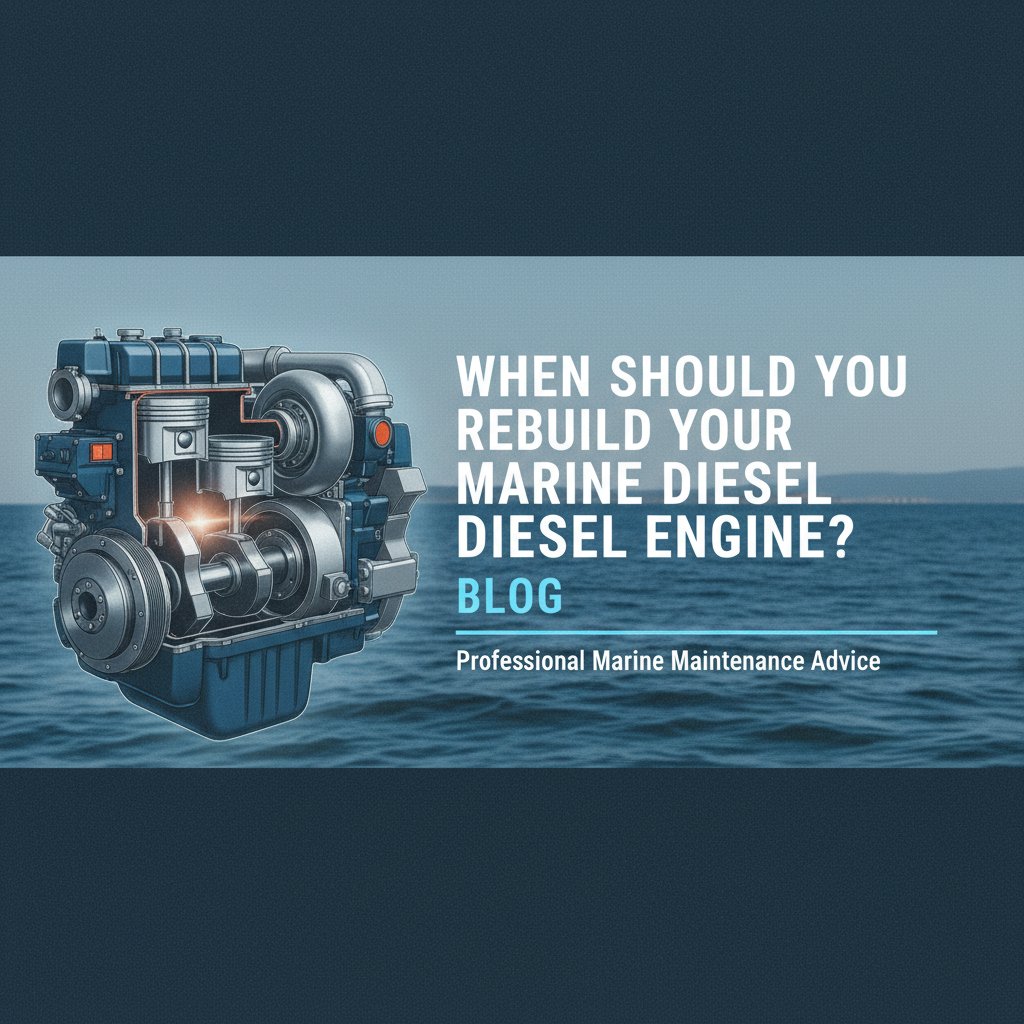
A marine diesel engine represents one of the most significant investments in your vessel, and knowing when to rebuild rather than replace it can save tens of thousands of dollars while extending your boat’s operational life. The decision to rebuild requires careful evaluation of multiple factors including engine hours, performance degradation, maintenance history, and long-term vessel plans.
Understanding Marine Diesel Engine Lifespan
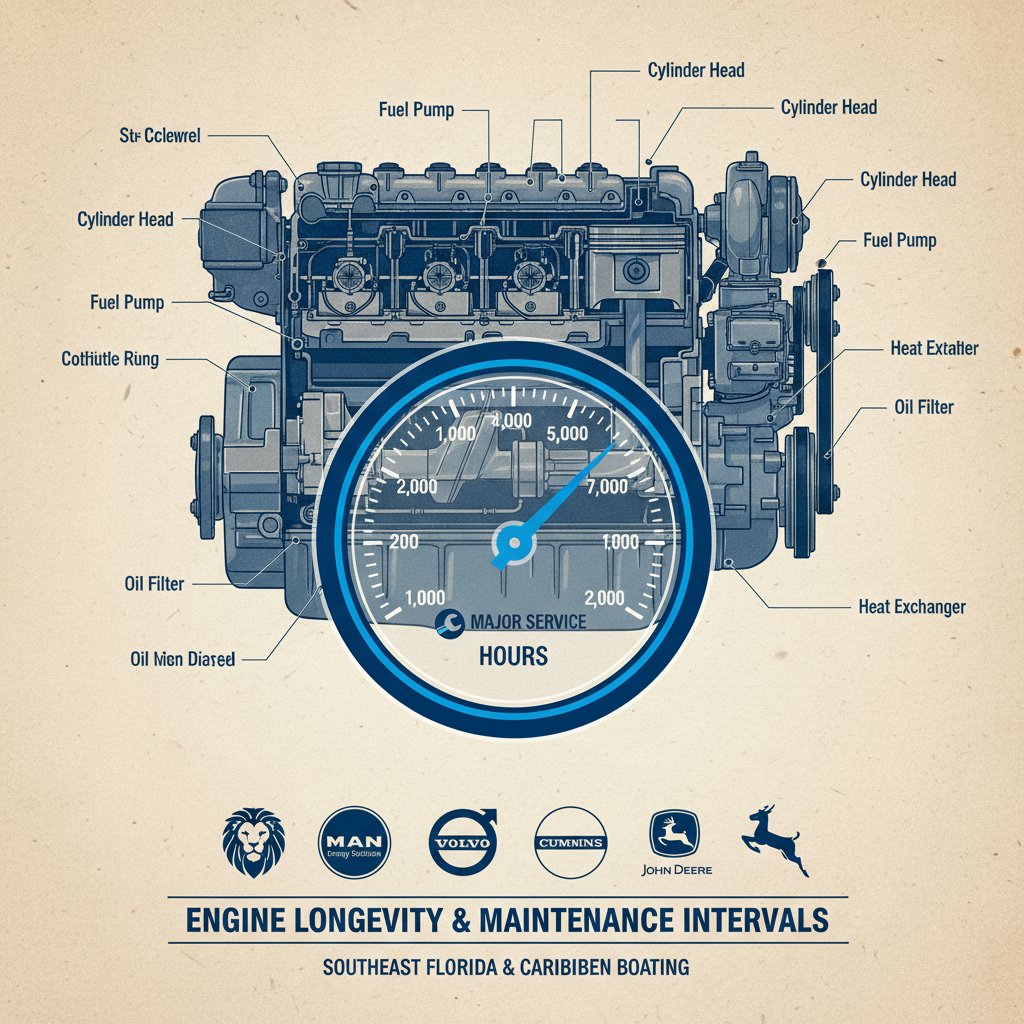
Modern marine diesel engines from manufacturers like MAN, Volvo Penta, Cummins, and John Deere are engineered for longevity, but they’re not immortal. A well-maintained engine typically delivers 5,000 to 8,000 hours of reliable service before requiring major intervention. However, engines subjected to proper preventive maintenance, factory-authorized service, and optimal operating conditions can exceed 10,000 hours before needing a rebuild.
The Southeast Florida and Caribbean marine environment presents unique challenges that can accelerate wear. Saltwater exposure, high ambient temperatures, and extended periods of operation at displacement speeds all impact engine longevity. Understanding these factors helps determine the right time for a rebuild versus replacement.
Critical Warning Signs Your Engine Needs Rebuilding
Several indicators suggest your marine diesel engine is approaching or has reached the point where a rebuild becomes necessary. Recognizing these signs early allows for planned maintenance rather than catastrophic failure.
Declining Compression and Performance
Loss of compression is among the most definitive signs that internal engine components have worn beyond acceptable tolerances. You’ll notice reduced power output, difficulty achieving previous cruising speeds, or the engine struggling under load. Professional compression testing by factory-authorized technicians provides objective data about cylinder condition and helps determine rebuild necessity.
Excessive Oil Consumption
While all diesel engines consume some oil during normal operation, a dramatic increase signals internal wear. Worn piston rings, cylinder glazing, or valve guide deterioration allow oil to enter the combustion chamber. If you’re adding a quart or more between oil changes, or if you notice blue smoke from the exhaust, internal components likely need attention.
Increased Blow-by and Crankcase Pressure
Blow-by occurs when combustion gases escape past piston rings into the crankcase. Excessive blow-by indicates cylinder and ring wear. You might observe oil mist from the crankcase breather, pressurized crankcase conditions, or oil contamination. These conditions accelerate additional wear and warrant immediate professional evaluation.
Metal Contamination in Oil Analysis
Regular oil analysis provides early warning of internal wear. Elevated levels of iron, aluminum, copper, or other metals indicate component degradation. Trending these values over time helps predict when intervention becomes necessary. Sudden spikes in metal content suggest accelerated wear or impending failure.
Coolant Contamination
Oil in the coolant or coolant in the oil points to head gasket failure, cracked cylinder heads, or cylinder liner issues. These conditions require immediate attention and often indicate that a comprehensive rebuild is more cost-effective than attempting piecemeal repairs.
Rebuild Versus Replace: Making the Right Decision
The rebuild-or-replace question depends on several economic and practical considerations. A complete marine diesel engine replacement can cost $30,000 to $150,000 or more depending on size and configuration, while a professional rebuild typically runs 40-60% of replacement cost.
When Rebuilding Makes Sense
Rebuilding is often the superior choice when your engine block and main structural components remain sound. Modern engines from Volvo Penta, MAN, Cummins, and John Deere are designed for rebuilding, with readily available genuine parts and comprehensive service specifications.
Consider rebuilding when:
- The engine block shows no cracks or major damage
- Your vessel has years of service life remaining
- You’ve maintained a consistent service history with proper documentation
- Genuine factory parts remain available for your engine model
- The cost difference between rebuilding and replacing exceeds 30-40%
When Replacement Becomes Necessary
Sometimes replacement proves more economical or practical. Engines with cracked blocks, severe corrosion damage, or obsolete designs that lack parts support may not justify rebuild costs. Additionally, if your vessel is receiving a major refit or repowering with more efficient technology, replacement might align with broader upgrade objectives.
The Professional Rebuild Process
A comprehensive marine diesel engine overhaul involves far more than simply replacing worn parts. Factory-authorized service ensures the rebuild meets manufacturer specifications and maintains warranty coverage on components.
Pre-Rebuild Assessment
Professional technicians begin with thorough diagnostics including compression testing, oil analysis, borescope inspection of cylinders, and evaluation of peripheral systems. This assessment determines rebuild scope and identifies any additional issues requiring attention.
Core Rebuild Components
A standard rebuild typically includes:
- Cylinder head removal, inspection, and reconditioning or replacement
- Piston and cylinder liner replacement or honing
- Piston ring, bearing, and gasket replacement with genuine parts
- Valve train inspection and service
- Crankshaft inspection and polishing or grinding as needed
- Camshaft evaluation and replacement if necessary
- Oil pump, water pump, and fuel injection system service
- Turbocharger rebuild or replacement
- Heat exchanger and aftercooler service
Quality Standards Matter
The difference between a rebuild performed to factory specifications using genuine parts versus one using aftermarket components and informal procedures can mean thousands of hours in service life. Manufacturers like Volvo Penta, MAN, John Deere, and Cummins provide specific rebuild procedures, torque specifications, and clearance tolerances that must be followed for optimal results.
Timing Your Rebuild Strategically
The best time for a marine diesel engine rebuild is before catastrophic failure occurs. Planning the rebuild during your vessel’s off-season or scheduled haul-out minimizes operational disruption and allows time for thorough work without rushing.
For yacht owners in Southeast Florida and the Caribbean, scheduling during summer months when vessel usage typically decreases can be strategic. This approach also allows time to source genuine parts and coordinate dockside service without impacting your primary boating season.
Don’t Wait for Complete Failure
Operating an engine past the point where rebuild becomes necessary often causes collateral damage. A failed piston can score cylinder walls, requiring boring and oversized components. A spun bearing can damage the crankshaft, adding thousands in machining costs. Catastrophic failure can even crack the block, transforming a rebuildable engine into scrap metal.
Maintenance Practices That Extend Rebuild Intervals
While every engine eventually requires rebuilding, proper maintenance dramatically extends the interval between overhauls. Implementing a comprehensive preventive maintenance program can add thousands of operational hours.
Follow Manufacturer Service Schedules
Engine manufacturers establish service intervals based on extensive testing and real-world data. These schedules aren’t suggestions—they’re requirements for maintaining reliability and longevity. Regular oil changes, filter replacements, valve adjustments, and cooling system service all contribute to extended engine life.
Use Genuine Parts and Fluids
Aftermarket parts may offer initial cost savings, but they often lack the precision manufacturing and materials specifications of genuine components. Using manufacturer-approved oils, coolants, and filters ensures optimal protection and performance.
Monitor Operating Conditions
Excessive idling, continuous high-load operation, and poor fuel quality all accelerate engine wear. Operating within manufacturer-recommended parameters, allowing proper warm-up periods, and sourcing clean diesel fuel preserve internal components.
Document Everything
Maintaining detailed service records proves invaluable when evaluating rebuild timing. Documentation establishes maintenance history, tracks oil analysis trends, and provides service providers with critical information for accurate assessment.
The Value of Factory-Authorized Service
Choosing factory-authorized technicians for rebuild work ensures access to technical support, genuine parts, proper tooling, and manufacturer-backed procedures. These providers maintain current training on evolving engine technology and have direct relationships with parts departments for sourcing components.
For vessels equipped with MAN, Volvo Penta, John Deere, Cummins/Onan, Kohler, Northern Lights, or Westerbeke power systems, working with authorized service providers protects your investment and ensures rebuild quality. These technicians understand the specific requirements of marine applications and the unique challenges of saltwater environments.
Geographic Considerations for Service
Access to qualified service providers significantly impacts rebuild convenience and cost. Dockside service eliminates the expense and complexity of engine removal, and technicians familiar with local marine conditions provide insights specific to Southeast Florida and Caribbean operations.
Additionally, reliable access to worldwide parts shipping ensures that rebuilds proceed without extended delays waiting for critical components. This capability proves essential for older engine models or specialized applications where parts may require sourcing from international suppliers.
Making the Rebuild Decision
Determining when to rebuild your marine diesel engine requires professional assessment combined with your operational requirements and budget considerations. Schedule a comprehensive evaluation when your engine approaches 5,000 hours, or sooner if you notice performance degradation or warning signs.
A qualified technician can provide objective data about engine condition, estimated remaining service life, and comparative costs for rebuilding versus replacement. This information allows informed decision-making aligned with your vessel’s intended use and your long-term plans.
The rebuild decision shouldn’t be postponed until failure forces action. Proactive planning ensures better outcomes, controlled costs, and minimal operational disruption. Your marine diesel engine powers not just your vessel but your experiences on the water—protecting that investment through timely rebuilding maintains reliability for years to come.
Contact DSOA Marine Service for professional engine assessment and rebuild services throughout Southeast Florida and the Caribbean. Our factory-authorized technicians provide dockside service for MAN, Volvo Penta, John Deere, Cummins, and other major marine diesel brands, ensuring your engine receives expert care when rebuild time arrives.
